


Joel R. Suurmeyer, a licensed mortgage professional with deep roots in the Spring, TX and greater Houston area, specializes in helping older homeowners understand and access reverse mortgage programs with clarity, compassion, and zero pressure. This guide is designed to walk you through everything you need to know — what a reverse mortgage is, how it works, who qualifies, what the process looks like, and why the Spring, TX market makes this a particularly compelling option for eligible homeowners right now.
A reverse mortgage is a specialized home loan designed exclusively for homeowners aged 62 and older that allows you to convert a portion of your home equity into cash — without selling your home, without giving up ownership, and without making monthly mortgage payments as long as you continue living in the home as your primary residence.
The most widely used type of reverse mortgage is the Home Equity Conversion Mortgage, commonly known as the HECM. It is insured by the Federal Housing Administration (FHA) and regulated by the U.S. Department of Housing and Urban Development (HUD). This federal backing is what makes HECMs the gold standard in reverse mortgage products — providing borrowers with consumer protections, counseling requirements, and standardized terms that private reverse mortgage products don’t always offer.
Here’s the simplest way to understand how a reverse mortgage works differently from a traditional mortgage:
With a traditional mortgage, you borrow money to buy a home and make monthly payments to the lender over time. Your loan balance goes down as you pay.
With a reverse mortgage, you already own the home. The lender pays you — either as a lump sum, monthly payments, a line of credit, or a combination — and the loan balance grows over time. Repayment is not required until you sell the home, move out permanently, or pass away.
At that point, the loan is repaid from the sale of the home. If the home sells for more than the loan balance, you or your heirs keep the difference. If the home sells for less than the loan balance, FHA insurance covers the shortfall — you and your heirs are never personally liable for more than the home’s value. This is known as the non-recourse guarantee, and it’s one of the most important protections built into the HECM program.
Understanding whether you qualify is the natural first question — and the good news is that the eligibility requirements are straightforward.
At least one borrower on the title must be 62 years of age or older. If you have a spouse who is younger than 62, there are specific provisions to protect non-borrowing spouses that Joel will walk you through in detail during your consultation.
The home must be your primary residence. You must live in the home as your main dwelling for the majority of the year. Vacation homes and investment properties do not qualify for HECM reverse mortgages.
You must have sufficient equity in your home. The more equity you have, the more proceeds you may be able to access. Homeowners with existing mortgages can still qualify — in fact, many reverse mortgage borrowers use their proceeds to pay off an existing conventional mortgage first, eliminating monthly mortgage payments entirely.
Single-family homes are the most common property type for reverse mortgages, but eligible properties in Spring, TX and surrounding communities also include FHA-approved condominiums, townhomes, and manufactured homes that meet HUD guidelines.
Since 2015, reverse mortgage lenders are required to conduct a financial assessment of the borrower. This does not mean you need a specific income level — but the lender will review your credit history and residual income to ensure you have the capacity to continue paying property taxes, homeowner’s insurance, and maintaining the property throughout the life of the loan.
Before any HECM loan can be processed, you are required to complete a counseling session with a HUD-approved independent counselor. This is actually a consumer protection, not a hurdle — it ensures you fully understand the loan before you commit. Joel connects his clients with reputable counseling resources and prepares them for the session so it’s informative and stress-free.
One of the most flexible features of a reverse mortgage is the variety of ways you can choose to receive your funds. This flexibility allows you to customize the loan around your specific retirement income needs.
Receive your eligible proceeds all at once at closing. This option is well-suited for homeowners who need to pay off an existing mortgage, cover a large expense, or consolidate debt immediately.
Receive equal monthly payments for as long as you live in the home as your primary residence. This creates a reliable, predictable stream of supplemental income — similar in concept to a pension or annuity.
Receive fixed monthly payments for a set period of time that you choose. This can be useful for bridging a specific financial gap — such as supplementing income until Social Security benefits begin.
Access your funds as needed — when you need them. The unused portion of your reverse mortgage line of credit actually grows over time, which means the amount available to you increases the longer you leave it untouched. This makes the line of credit option one of the most strategically powerful ways to use a reverse mortgage in retirement financial planning.
Mix and match the above options to create a structure that fits your life. For example, you might take a partial lump sum at closing to pay off your existing mortgage, and then establish a line of credit for future needs.
Joel works with every client to identify which disbursement structure aligns best with their retirement income goals, existing financial picture, and long-term plans.
When people first hear about reverse mortgages, they often approach them with skepticism. That’s understandable — there has been a lot of misinformation circulating about these products over the years. But when you look at the actual, concrete benefits, the picture becomes much clearer.
This is often the single most impactful benefit for retirees on fixed incomes. If you currently have a mortgage, a reverse mortgage can pay it off — and once it’s paid off, your monthly mortgage payment disappears entirely. For homeowners in Spring, The Woodlands, Klein, and surrounding communities who are carrying mortgage debt into retirement, this alone can dramatically improve monthly cash flow.
A reverse mortgage does not require you to move. You remain the owner of your home. You can stay in the community you know, near the family and friends you love, in the neighborhood where you’ve built your life. This is especially meaningful for long-time Spring and Houston-area residents who have deep community ties.
The cash you receive from a reverse mortgage is generally not considered taxable income — it is a loan advance, not earned income. This means it typically does not affect your Social Security benefits or Medicare eligibility. Always consult with your tax advisor regarding your individual situation, but for most borrowers, reverse mortgage proceeds are received tax-free.
Even if you don’t need the money today, establishing a reverse mortgage line of credit creates a financial safety net for the future. Healthcare costs, home repairs, unexpected expenses — life in retirement can bring surprises. Having accessible equity gives you options.
By supplementing retirement income through a reverse mortgage, many homeowners are able to reduce or delay withdrawals from investment accounts, IRAs, or 401(k)s. This can have significant long-term compounding benefits and help stretch retirement savings further.
You and your heirs will never owe more than the home is worth at the time of sale. The FHA mortgage insurance built into the HECM program covers any shortfall — protecting your estate and giving your family peace of mind.
A common misconception is that a reverse mortgage takes the home away from your family. This is not true. When the last borrower passes away or moves out of the home, your heirs have options — they can sell the home and pay off the reverse mortgage balance (keeping any remaining equity), refinance the loan into a conventional mortgage and keep the home, or allow the lender to sell the home if that’s the simplest path.
Given how much misinformation exists about reverse mortgages, it’s worth taking a moment to address the most common myths directly.
False. You retain full ownership of your home with a reverse mortgage, just as you do with any other mortgage. The lender has a lien on the property — the same as with a traditional mortgage — but you remain the owner. As long as you meet the loan requirements (paying taxes and insurance, maintaining the home, living there as your primary residence), you cannot be forced out.
The HECM program’s non-recourse guarantee means your heirs will never be personally responsible for more than the home is worth. If the loan balance exceeds the home value at the time of repayment, FHA insurance covers the difference. Your heirs are protected.
Actually, financial planners increasingly recommend reverse mortgages as a proactive retirement planning tool — not just a last resort. Using a reverse mortgage strategically as part of a broader retirement income plan can actually extend the life of a portfolio and reduce long-term financial risk.
Not true. Many homeowners use reverse mortgage proceeds specifically to pay off an existing mortgage balance. If your home has sufficient equity and meets the other requirements, an existing conventional mortgage does not disqualify you.
This is a persistent and completely inaccurate fear. When the loan balance exceeds the home’s sale value, FHA insurance absorbs the difference. Neither you, your estate, nor your heirs are responsible for that gap.
Joel believes that understanding the process removes the fear. Here’s exactly what the reverse mortgage journey looks like when you work with him:
Everything begins with an honest, educational conversation. Joel takes the time to understand your retirement situation, your goals, your concerns, and whether a reverse mortgage makes sense for your specific circumstances. There is no rush, no sales pressure, and no commitment required at this stage. Many clients come in uncertain and leave with a clear picture — whether a reverse mortgage is the right path or not.
Joel reviews your age, home value, existing mortgage balance (if any), and overall financial picture to determine your eligibility and give you a clear illustration of the funds potentially available to you. He’ll walk you through the different disbursement options and help you think through which structure best fits your retirement goals.
Before the application can move forward, you’ll complete a session with an independent HUD-approved reverse mortgage counselor. Joel prepares you thoroughly for this session so you know what to expect and what questions to ask. The counselor’s role is to make sure you fully understand the loan — it’s a protection for you.
Once counseling is complete, Joel submits your application. An FHA-approved appraiser will assess your home’s current market value, which helps determine the maximum loan amount available. For homeowners in Spring, TX and surrounding communities like The Woodlands, Conroe, and Katy, current market conditions have been favorable for home valuations.
The loan goes through underwriting, where the lender verifies all eligibility requirements, reviews the financial assessment, and confirms the property meets FHA guidelines. Joel stays actively involved throughout this stage — communicating with the underwriting team, addressing any questions proactively, and keeping you informed every step of the way.
Once approved, you move to closing. This is when the loan is finalized, any existing mortgage is paid off (if applicable), and your chosen disbursement structure is put into place. Joel is present and available through the entire closing process to make sure everything is clear and comfortable.
Joel’s relationship with his clients doesn’t end at closing. He remains a resource for questions, life changes, or future planning needs. Whether you want to revisit your disbursement structure or simply have a question about your loan down the road, Joel is a phone call away.
Many homeowners considering a reverse mortgage wonder how it stacks up against other ways of accessing home equity or supplementing retirement income. Here’s an honest, straightforward look:
A HELOC also allows you to access home equity, but it requires monthly interest payments from the start. If your income is limited in retirement, adding a new monthly payment can create financial strain. A reverse mortgage requires no monthly mortgage payments while you live in the home — making it a fundamentally different financial tool for retirees.
Selling your home frees up equity but requires you to move — with all the financial and emotional costs that entails. For homeowners in Spring, TX who love their neighborhood, their community, and their home, a reverse mortgage offers a way to access equity without displacement.
Drawing down retirement accounts early — especially before required minimum distribution age — can trigger taxes and reduce the long-term compounding power of your savings. A reverse mortgage can serve as an income source that allows retirement accounts to continue growing, effectively extending the life of your financial portfolio.
Some homeowners consider generating rental income from part of their home as an alternative. This is a legitimate option, but it comes with landlord responsibilities and lifestyle changes that many retirees prefer to avoid. A reverse mortgage delivers income without altering the way you live in your home.
Joel R. Suurmeyer proudly serves older homeowners across Spring, TX and the entire greater Houston metropolitan area. Understanding the local market — including property values, neighborhood dynamics, and the communities where his clients have built their lives — is something Joel considers a fundamental part of providing genuinely good service.
The Woodlands is home to many retirees and pre-retirees who have owned their homes for many years and have built considerable equity in one of the Houston area’s most desirable communities. For homeowners in The Woodlands considering a reverse mortgage, the combination of strong home values and deep equity positions often results in meaningful loan proceeds.
Klein’s established neighborhoods and family-friendly character have made it a long-term home for many residents. Long-time Klein homeowners are excellent candidates for reverse mortgage programs, with equity built over many years of ownership in a consistently strong local market.
Tomball’s blend of small-town charm and suburban convenience has made it a beloved community for many older homeowners. Reverse mortgages are an increasingly popular topic among Tomball residents looking to supplement retirement income without leaving the community they’ve called home for decades.
Cypress has seen strong and consistent property appreciation over the years, which has been great news for long-time homeowners. That appreciation translates directly into equity — and equity is what makes a reverse mortgage work. Eligible Cypress homeowners are encouraged to explore what a reverse mortgage could mean for their retirement planning.
Humble’s proximity to major employment centers and Bush Intercontinental Airport has supported consistent property values. For older Humble homeowners sitting on accumulated equity, a reverse mortgage consultation with Joel is a valuable and no-obligation first step.
Conroe’s growing market and lake lifestyle make it one of the more dynamic communities north of Houston. For long-time Conroe homeowners, particularly those near Lake Conroe with properties that have appreciated well over the years, reverse mortgage options are worth exploring carefully.
Katy’s premium school districts and master-planned communities have driven strong, sustained home values for decades. Long-time Katy homeowners often have substantial equity — and a reverse mortgage can be an excellent way to put that equity to work in retirement.
South of Houston, Pearland has experienced significant growth and property appreciation over the past two decades. Older homeowners who bought in Pearland years ago and have watched their home values climb are well-positioned to benefit from a reverse mortgage program.
Sugar Land’s upscale character and premium home values create an environment where reverse mortgage loan amounts can be particularly meaningful. For eligible Sugar Land homeowners, a reverse mortgage can provide a substantial financial resource to support a comfortable and secure retirement.
The established neighborhoods of Memorial and West Houston are home to many long-time residents with deep equity positions in high-value properties. For homeowners in these areas exploring retirement income solutions, reverse mortgages offer a sophisticated and powerful option worth serious consideration.
Most people think of a reverse mortgage as something you do with a home you already own. But there’s another version of the HECM program that many homeowners — and even some mortgage professionals — don’t know about: the HECM for Purchase.
A HECM for Purchase allows eligible homeowners aged 62 and older to purchase a new primary residence using a reverse mortgage. This means you can buy a home — perhaps to be closer to family, to downsize to a more manageable property, or to move to a more desirable community — and use a portion of the home’s purchase price as a down payment, with the reverse mortgage covering the rest. No monthly mortgage payments required.
For older homeowners in the Spring, TX and Houston metro area who are thinking about right-sizing their living situation in retirement, the HECM for Purchase is a powerful tool that combines the flexibility of a home purchase with the payment-free structure of a reverse mortgage.
Joel is well-versed in the HECM for Purchase program and can walk you through whether it makes sense given your specific situation and goals.
While the HECM is the most common reverse mortgage product, homeowners with higher-value properties may also want to explore proprietary reverse mortgages — sometimes called jumbo reverse mortgages.
Proprietary reverse mortgages are offered by private lenders rather than FHA and are designed for homes that exceed the FHA lending limit. In the Spring, TX and greater Houston area, where luxury and high-value homes are well represented — particularly in The Woodlands, Sugar Land, Memorial, and West Houston — proprietary reverse mortgage programs can provide access to significantly higher loan amounts than a standard HECM would allow.
Joel works with lenders offering proprietary reverse mortgage products and can help you evaluate whether a jumbo reverse mortgage better serves your situation.
A reverse mortgage is not entirely without obligations. To keep the loan in good standing, borrowers must meet certain ongoing requirements:
Pay Property Taxes — You remain responsible for paying your property taxes on time. Failure to do so can trigger a loan default. Joel educates every client on this responsibility clearly and upfront.
Maintain Homeowner’s Insurance — You are required to keep your homeowner’s insurance policy current throughout the life of the loan.
Maintain the Property — The home must be kept in reasonable condition. Significant deferred maintenance that negatively affects the property’s value can create loan compliance issues.
Live in the Home as Primary Residence — The home must remain your primary residence. If you are away for an extended period — such as a medical stay — there are provisions and timeframes that apply. Joel explains these clearly so there are no surprises.
Stay Current on HOA Fees — If your property is subject to homeowner’s association fees, those must remain current as well.
These requirements are straightforward and manageable for most homeowners. Joel walks every client through them thoroughly during the consultation process so expectations are crystal clear from day one.
There is no shortage of mortgage professionals in the Houston area. What makes Joel the right choice for a reverse mortgage?
Reverse mortgages are complex — more so than most standard loan products. Joel has invested in deep, specialized knowledge of HECM guidelines, proprietary reverse mortgage products, HUD requirements, and the financial planning applications of reverse mortgage programs. This is not a product he dabbles in occasionally — it is a core part of his practice.
Joel holds NMLS ID #820017 and maintains active memberships with the National Reverse Mortgage Lenders Association (NRMLA) — the leading industry organization for reverse mortgage professionals. The NRMLA enforces a strict code of ethics and best practices. Joel also carries the CRMP designation, reflecting his commitment to professional excellence in reverse mortgage lending. His affiliation with BBB and compliance with HUD fair housing guidelines further underscore his commitment to ethical, consumer-centered practice.
Joel does not approach reverse mortgages as a sales opportunity. He approaches them as a planning conversation. If a reverse mortgage is the right tool for your situation, he will tell you why and how. If it’s not, he will tell you that too — and help you think through alternatives. His goal is your financial wellbeing, not a closed loan.
Joel understands the Spring, TX real estate market — property values, neighborhood trends, the communities his clients live in. This local knowledge matters when it comes to appraisals, understanding realistic loan amounts, and providing advice that is grounded in the actual conditions of the market where you live.
Reverse mortgages involve big decisions — decisions that affect your home, your finances, and your family. Joel communicates with patience, clarity, and genuine respect. He never rushes the process, never makes clients feel pressured, and takes as much time as needed to make sure every question is answered fully and honestly.




With Joel’s Mortgage Services, we are committed to providing a personalized, transparent, and seamless experience for every client. With extensive knowledge of Texas mortgage programs and a deep understanding of diverse financial situations, we guide you through every step of the home financing journey with clarity and confidence.
Personalized Guidance: We take the time to understand your unique financial situation and goals, providing tailored loan solutions that work best for you.
Expertise Across All Loan Programs: From FHA and VA to Jumbo, DSCR, and Renovation Loans, we offer comprehensive knowledge of diverse mortgage options.
Transparent and Hassle-Free Process: We simplify complex mortgage processes, ensuring clear communication and smooth closings every step of the way.
Commitment to Client Success: Your satisfaction and long-term financial stability are our top priorities, and we work tirelessly to make your homeownership journey seamless.
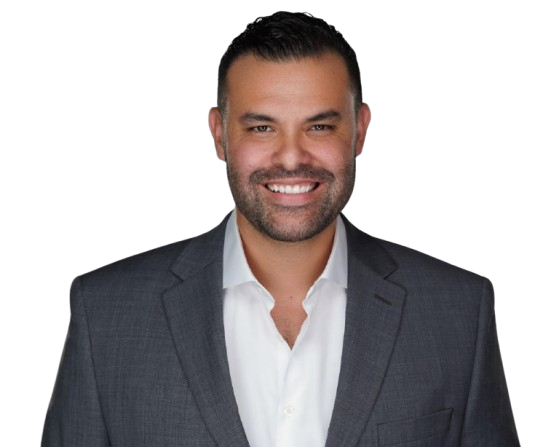
Choosing the right mortgage partner can make all the difference in your homeownership journey. At Rapid Closing, we combine speed, expertise, and personalized care to deliver financing solutions that are tailored to your goals. Whether you’re a first-time home buyer, refinancing, or exploring specialized programs, our team is dedicated to making the process smooth, transparent, and stress-free. With Rapid Closing, you’re not just getting a loan—you’re gaining a trusted partner who stands by you every step of the way.
Fast & Reliable Closings – Streamlined processes that save you time and stress.
Wide Range of Loan Programs – From FHA and VA to DSCR, Jumbo, and USDA loans.
Personalized Guidance – Clear, step-by-step support with dedicated loan specialists.
Flexible Solutions – Options designed for first-time buyers, investors, and unique situations.





NMLS ID : 820017
Company NMLS# 1660690
Corporate Address: 5559 S Sossaman Rd Bldg #1 Ste #101 Mesa, AZ 85212
Branch Address: 4576 Research Forest Dr., Suite 200, Office 216 The Woodlands, TX 77381
Richard Thomas Ellis – Pilgrim Mortgage
Corporate Address: 8900 Business Park Dr. Austin, TX 78759
© 2025,joel, All Rights Reserved